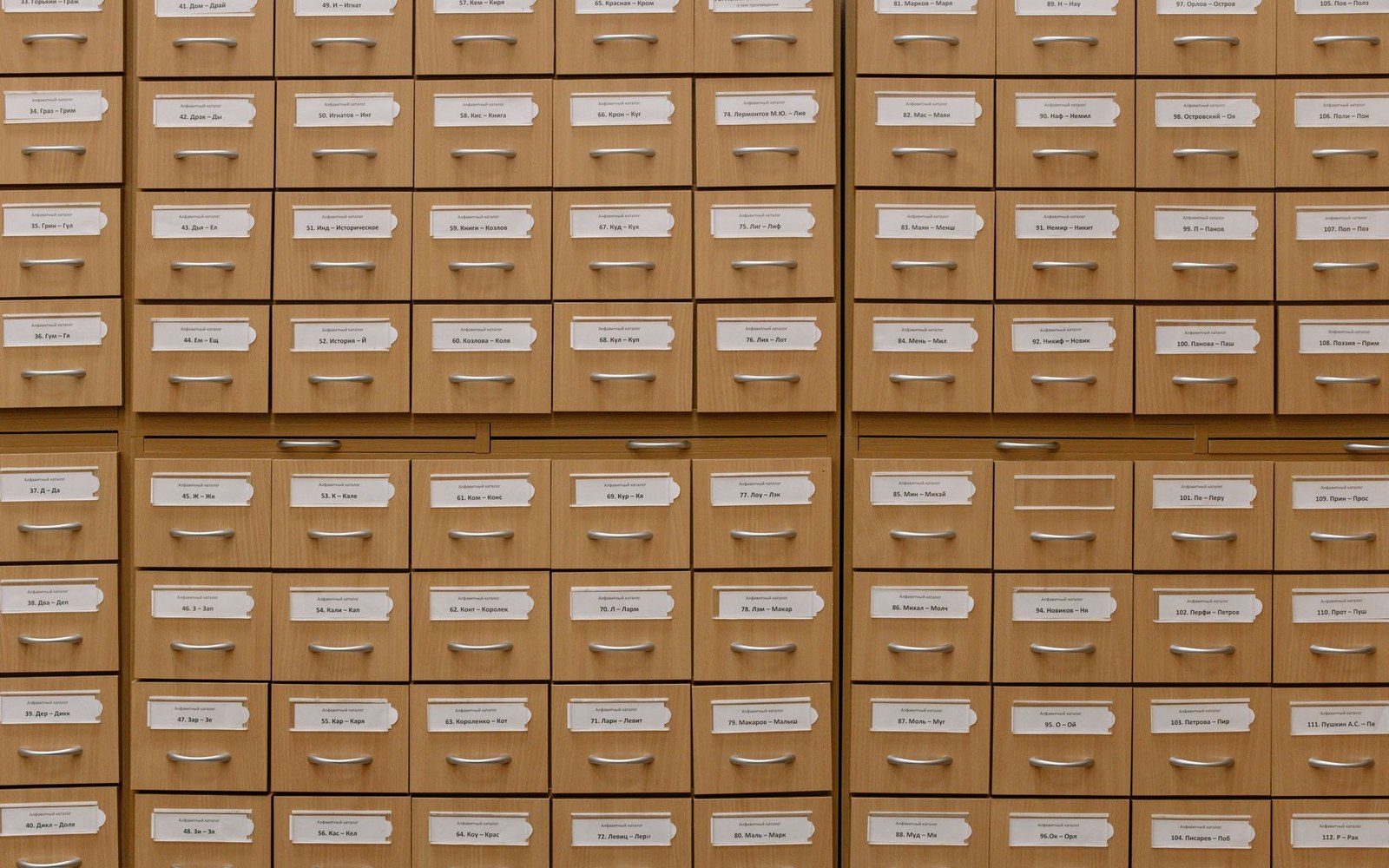
The most efficient engine of public-domain creation in American film history was not a court ruling or an expiring term — it was a form that nobody mailed.
The Twenty-Eighth-Year Window
Under the Copyright Act of 1909, copyright in a published work lasted twenty-eight years from the date of first publication. That initial term could be extended for a second twenty-eight years — but only if the copyright holder filed a renewal registration with the United States Copyright Office during the twenty-eighth year itself. Miss the window by a single day, and protection evaporated permanently. The work passed into the public domain, and no subsequent filing could retrieve it.
 01.04
01.04For studios producing dozens of pictures a year, this was an administrative burden that frequently went unmet. A film that had earned out its theatrical run, been licensed to television, and slipped from the active catalogue was easy to overlook when the renewal deadline arrived. The business affairs departments of the 1950s and early 1960s were not yet running systematic copyright audits; they were booking next season's releases. The result was wholesale, inadvertent donation to the commons.
The rule applied to every work published before 1 January 1964. Congress later made renewal automatic (the Copyright Renewal Act of 1992) for works published from 1964 onward, but that reform came too late for anything registered before the cutoff. For those titles, the twenty-eighth-year clock had already started ticking — or had already stopped.
What the Records Show
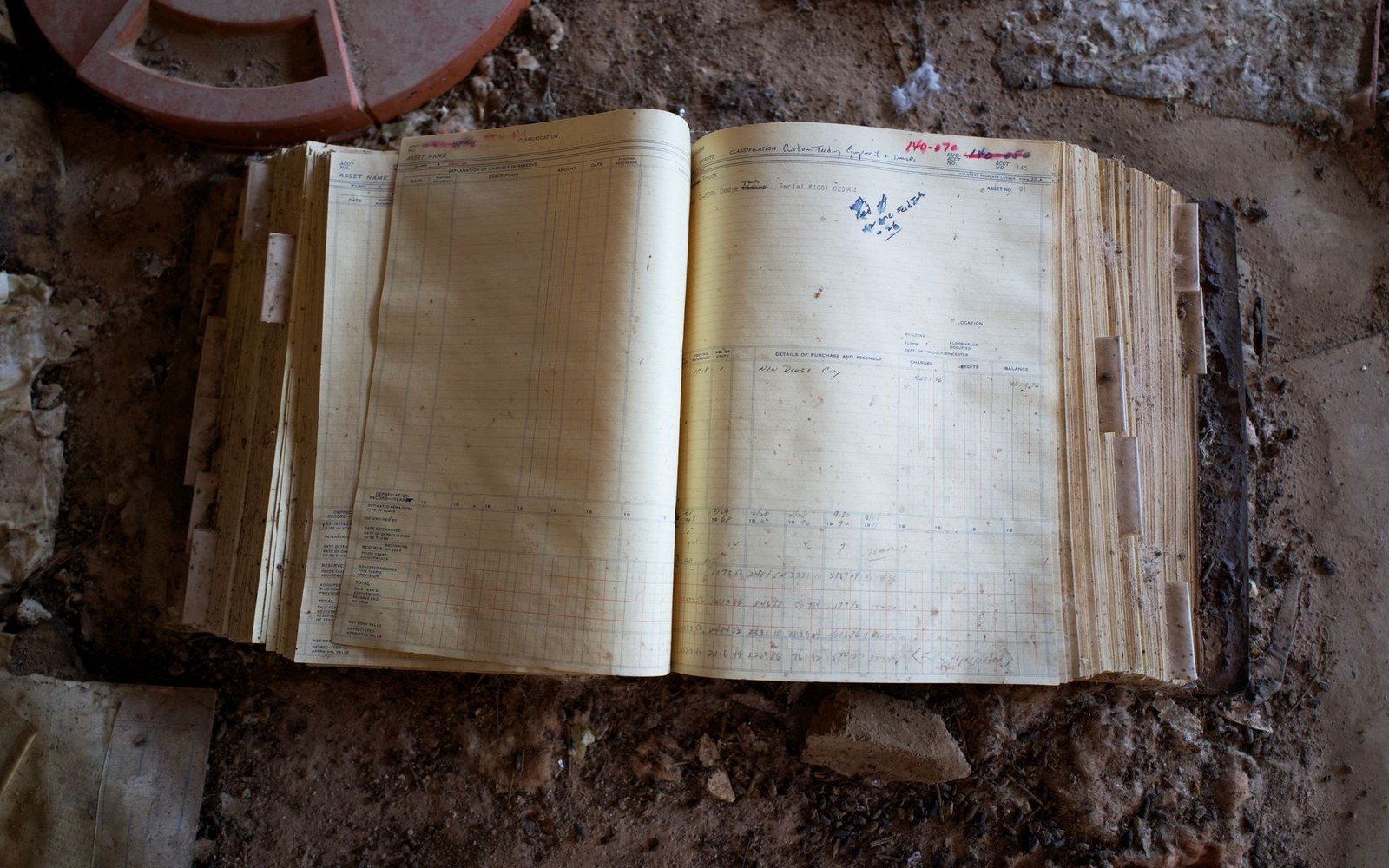
The Copyright Office's Catalog of Copyright Entries — the printed register of all registrations and renewals — is the primary instrument for determining whether a given film's copyright was renewed. A title that appears in the original registration volumes but is absent from the corresponding renewal volumes, published twenty-eight years later, has a strong presumptive claim to public-domain status. Researchers can cross-check those records through Stanford University Libraries' Copyright Renewal Database, which digitized a significant portion of the Copyright Office's renewal records and made them searchable by title.
The scale of non-renewal among American films is substantial. Scholars and archivists examining the renewal records have estimated that the majority of films released before 1964 were never renewed, with some studies placing the failure rate above fifty percent for certain release years. For low-budget productions — poverty-row westerns, serials, B-pictures from studios like Production and Releasing Corporation — the rate was considerably higher. Edgar Ulmer's Detour (1945), produced by PRC, is among the best-documented casualties; its copyright was never renewed, and it passed into the public domain before any preservationist could intervene on commercial grounds.
The failure was not confined to minor studios. Republic Pictures lost protection on numerous titles. Monogram let renewals lapse across swaths of its catalogue. Even larger distributors occasionally missed the filing. The Fleischer Studios Superman theatrical shorts — produced with the resources of Paramount Pictures behind them — entered the public domain partly because renewal registrations were not filed across the complete set.
Named Casualties and Their Consequences
His Girl Friday (1940), the Howard Hawks screwball comedy adapted from Ben Hecht and Charles MacArthur's play, is free in the United States because Columbia Pictures did not file the required renewal. The 1963 Stanley Donen film Charade entered the public domain through a related formality failure involving its copyright notice rather than its renewal, illustrating that non-renewal was only one of several routes to the same destination.
For archivists, the public-domain status created by renewal failure has sometimes been the only reason a film survived at all. Without the commercial incentive that copyright provides, studios had little reason to bear the cost of preserving nitrate prints. But the same absence of commercial control allowed the Prelinger Archives, the Internet Archive, and independent distributors to circulate copies that might otherwise have rotted in a vault — or been destroyed when a studio moved facilities. The Library of Congress National Film Registry contains titles that are preserved precisely because their public-domain status made access and duplication legally uncomplicated.
The form that nobody filed was, in this sense, a strange gift: a bureaucratic failure that opened films to scholarship, education, and preservation that copyright would have complicated or blocked entirely.