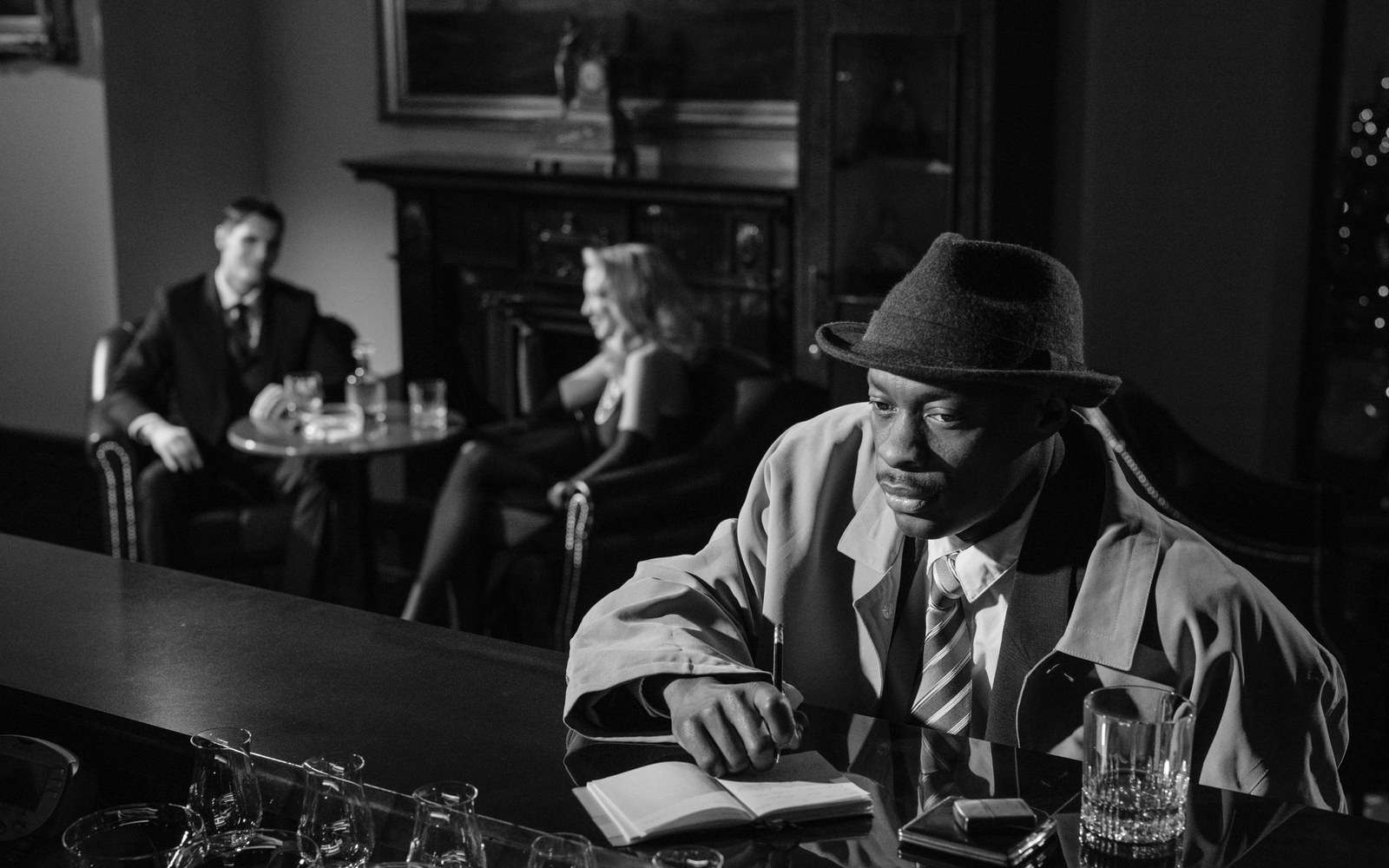
Edgar Ulmer's Detour (1945) is among the most studied films in the noir canon, yet its ubiquity on bargain DVD compilations and streaming platforms owes nothing to critical prestige. It owes everything to a single administrative failure: Producers Releasing Corporation, the Poverty Row studio that distributed the film, never filed a renewal registration with the United States Copyright Office.
Under the copyright law in force in 1945, a work published with proper notice entered a first term of twenty-eight years. Securing a second term required a fresh filing in the twenty-eighth year — no automatic extension, no grace period. When that window closed around 1973, PRC's successor interests had either dissolved or simply failed to act. The copyright lapsed, and Detour passed irrevocably into the public domain.
 02.07
02.07The consequences for the film's textual record have been significant and largely unfortunate. Once a title is free to duplicate, economic incentive drives distributors toward the cheapest available source rather than the best surviving print. For Detour, that meant decades of VHS and later DVD releases struck from already-degraded dupe elements, compressing and scratching a film that was shot on a minimal budget with limited negative stock to begin with. The Catalog of Copyright Entries confirms the absence of any renewal record, a fact researchers can verify directly — but no copyright status restores lost photographic information.
Preservation has proceeded despite that marketplace indifference. The Library of Congress holds material on Detour, and the film appears in collections at the George Eastman Museum in Rochester, which has done significant work on nitrate-era PRC titles. The version most viewers encounter, however, remains a generation or more removed from the best archival elements, a direct result of the public-domain economy that the renewal failure made possible.
Ulmer made Detour in roughly six days on a budget that invited corners to be cut at every stage. That it coheres as a film at all — that Tom Neal's face and Ann Savage's performance still carry the weight of fatalism — is the work's lasting argument. The copyright record is almost a formal extension of those production circumstances: a film assembled under duress, released by a company that could not sustain itself, and eventually abandoned to the commons by omission rather than intent.
Researchers checking the status need look no further than the absence of a renewal entry in the Office's printed records. The silence there is the legal fact. Everything else is reception history.