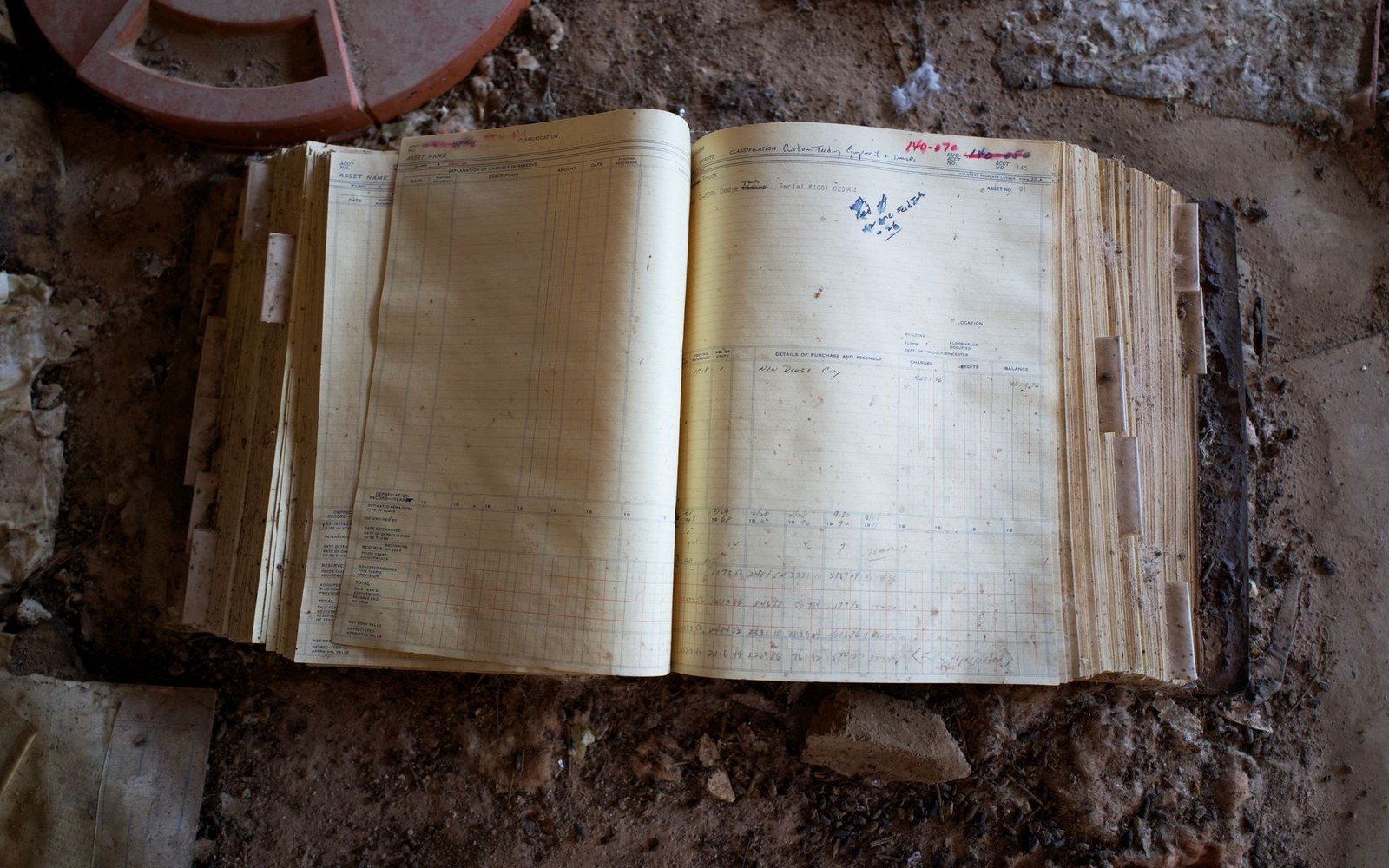
When a film or screenplay published before 1964 is the subject of a copyright inquiry, the central question is almost always the same: did the rights holder file a renewal registration in the 28th year? Stanford University Libraries built the Copyright Renewal Database to make that question answerable from a browser.
The database indexes renewal registrations drawn from the Copyright Office's Catalog of Copyright Entries, the official printed record published across several series between 1891 and 1978. Stanford digitized and made searchable the records covering books, serials, and certain other textual works — meaning the database is most useful for literary properties that underlie films: novels, plays, short stories, and screenplays registered as books. It is not a direct index of film registrations, which researchers must verify separately through the Copyright Office's own records or through a paid search request to the Office in Washington, D.C.
 05.03
05.03Searching the database is straightforward. A researcher enters a title, an author's name, or a claimant and filters by registration class. A returned record confirms that a renewal was filed, identifies the claimant, and gives the renewal registration number and date — enough information to verify the entry against the underlying Catalog volume. An empty result is equally meaningful: under the law as it stood before the Copyright Act of 1976 took effect, a work published before 1964 whose copyright was not renewed in the 28th year fell irrevocably into the public domain. No renewal record found suggests the underlying text is free, which bears on the copyright status of any film adaptation.
HathiTrust's copyright determinations serve as a complementary check. Where Stanford's database focuses on renewal records, HathiTrust applies a decision tree to each digitized work in its collection, marking items as in copyright, in the public domain, or status unknown. Used together, the two tools triangulate a result: Stanford confirms whether a renewal was filed; HathiTrust's determination shows how one major institution has read that evidence. Neither is a substitute for a formal Copyright Office search, particularly where the film registration itself — rather than its source material — is at issue.
The practical limit researchers must hold in mind is scope. The Stanford database covers works registered in certain textual categories; it does not index musical works, visual art, or motion pictures as such. A clean result for a screenplay does not close the question of whether the film's own copyright was renewed. For that, the Catalog of Copyright Entries volumes for motion pictures, now partially available through HathiTrust and the Internet Archive, remain the primary source.