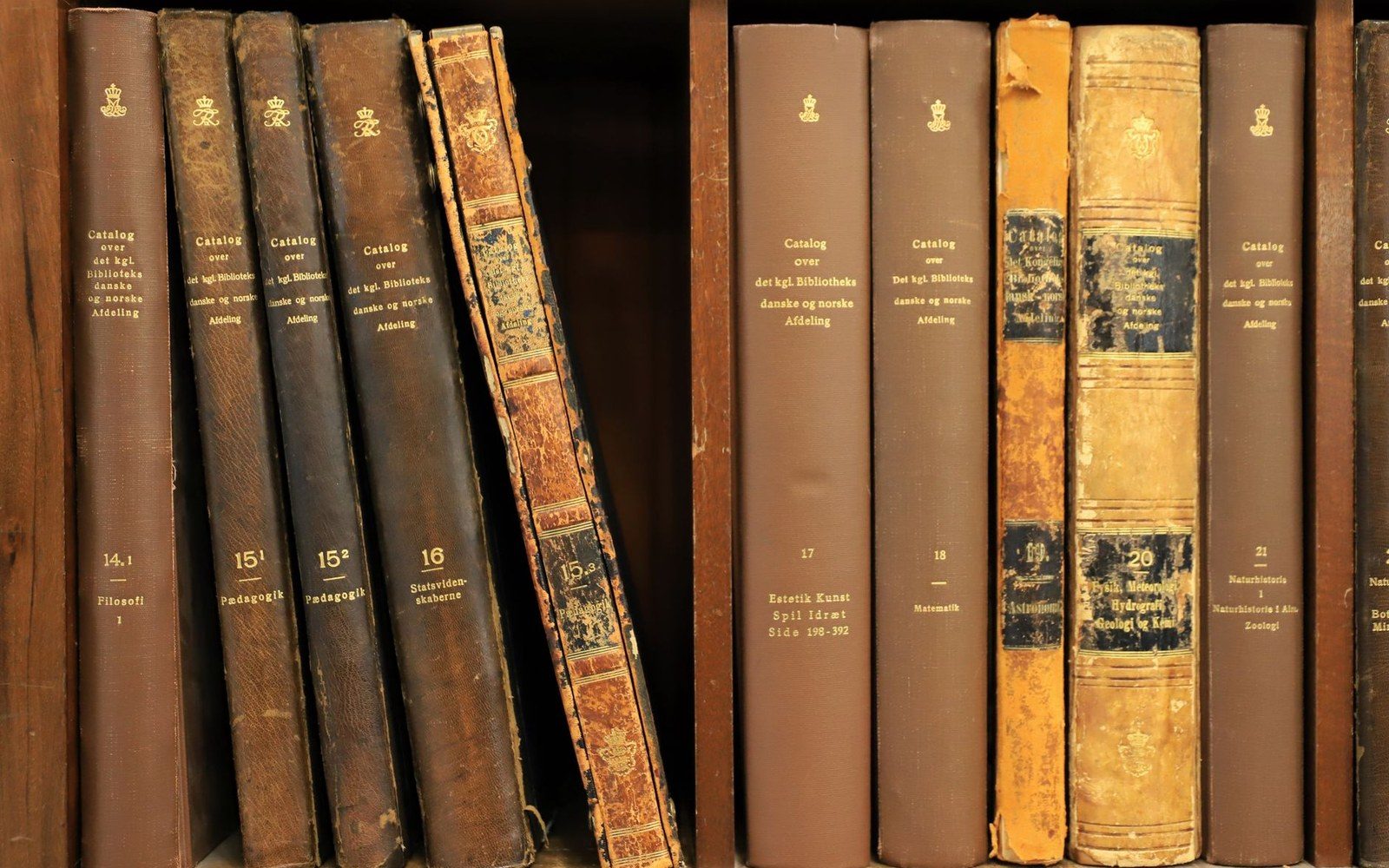
The Copyright Office's printed renewal record is the most direct evidence of whether a pre-1964 film ever secured a second term — and learning to read it takes less than an afternoon.
What the Catalog Is and Why It Exists
For most of the twentieth century, the United States Copyright Office published its registration and renewal records as a printed serial called the Catalog of Copyright Entries. The Catalog appeared in multiple parts covering different classes of work — motion pictures had their own dedicated part from 1912 onward — and new volumes came out quarterly or annually depending on the era. Every registration filed and every renewal accepted was listed there, in the year it was received. The Catalog was not an index: it was the official record itself, the evidence a court or researcher could cite.
 05.02
05.02Its relevance to film copyright status is direct. Under the Copyright Act of 1909, a work published with proper notice received an initial 28-year term. To secure a second term of equal length, the copyright holder had to file a renewal registration in the 28th year — not before, not after. Miss that window and the work fell immediately into the public domain, no matter how commercially valuable it remained. For films registered before 1964, which fall outside the automatic renewal later granted to works from that year onward, the Catalog is the only place to confirm whether that second filing ever happened.
Structure, Dates, and What an Entry Looks Like
The motion-picture parts of the Catalog run from 1912 through 1982, after which the Copyright Office shifted to electronic records. For the renewal-research most film historians need, the critical volumes are those covering 1950 through 1977: a film from 1928 would have its renewal entry — if any — in the 1956 volume; one from 1945 would appear in 1973.
A typical renewal entry for a motion picture contains the title, the claimant's name (usually a studio or its successor), a renewal registration number beginning with the prefix R, and a date. Occasionally it names the original registration number as well, which allows cross-referencing against the first-term entry. Some entries are terse to the point of severity — little more than title, number, and claimant — but that brevity is itself information: if the entry exists, renewal was secured; if it does not appear in the volume for the 28th year, the researcher has strong evidence of a formality failure.
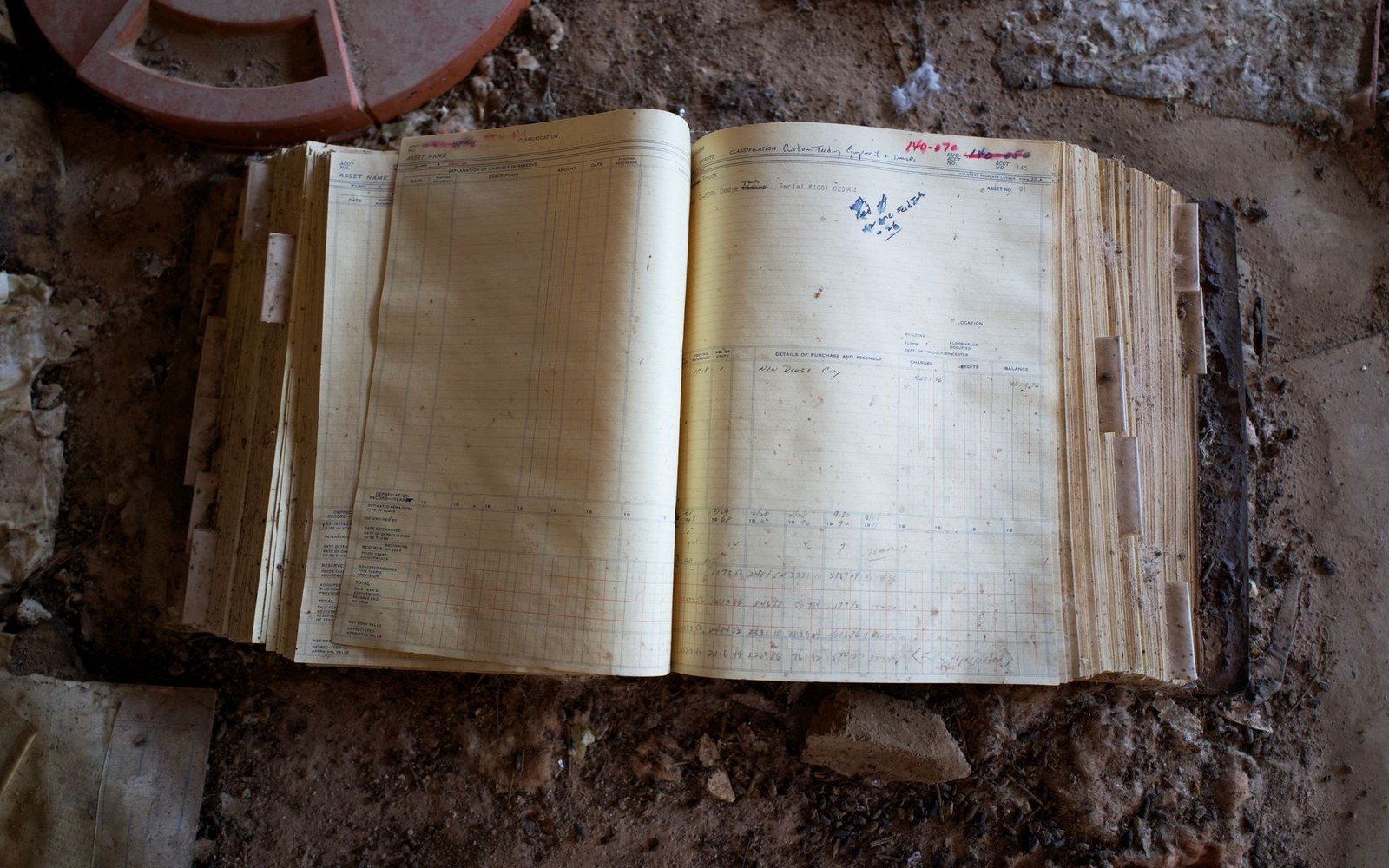
One caution: the Catalog is a record of what the Copyright Office accepted, not an independent audit. A renewal filed under an incorrect claimant name, or for a work whose first-term registration was itself defective, may appear in the Catalog while still being legally contested. The record is the starting point, not the final word.
Where to Find the Digitised Volumes
The most accessible copies of the Catalog of Copyright Entries are held by HathiTrust, which has digitised the full run of the motion-picture volumes from scans contributed by university libraries. The Internet Archive carries overlapping coverage, and the volumes there are downloadable as PDFs rather than page-image viewers, which many researchers find easier for sequential searching. Stanford University Libraries hosts a complementary tool: its Copyright Renewal Database, built partly from the Catalog data, allows keyword searching across renewal records for books, though film researchers will still need the primary volumes for motion-picture entries not captured in that index.
The Copyright Office itself has made records from 1978 onward searchable through its online portal, but pre-1978 entries — the ones that matter most for public-domain questions — remain in the printed and scanned volumes. A researcher who wants to verify a film registered in, say, 1937 must go to the paper record, whether in its digitised form or in the physical collections held at the Library of Congress in Washington, D.C.
The practical method is straightforward: identify the year of first publication, add 28, locate the Catalog volume for that year's motion-picture renewals, and search alphabetically by title. Thirty minutes of reading a scanned quarterly volume will answer a question that once required a letter to Washington and a wait of weeks. When the title is absent from the relevant volume, the researcher has found not an empty shelf but a significant fact: the work in question is, in all likelihood, free.