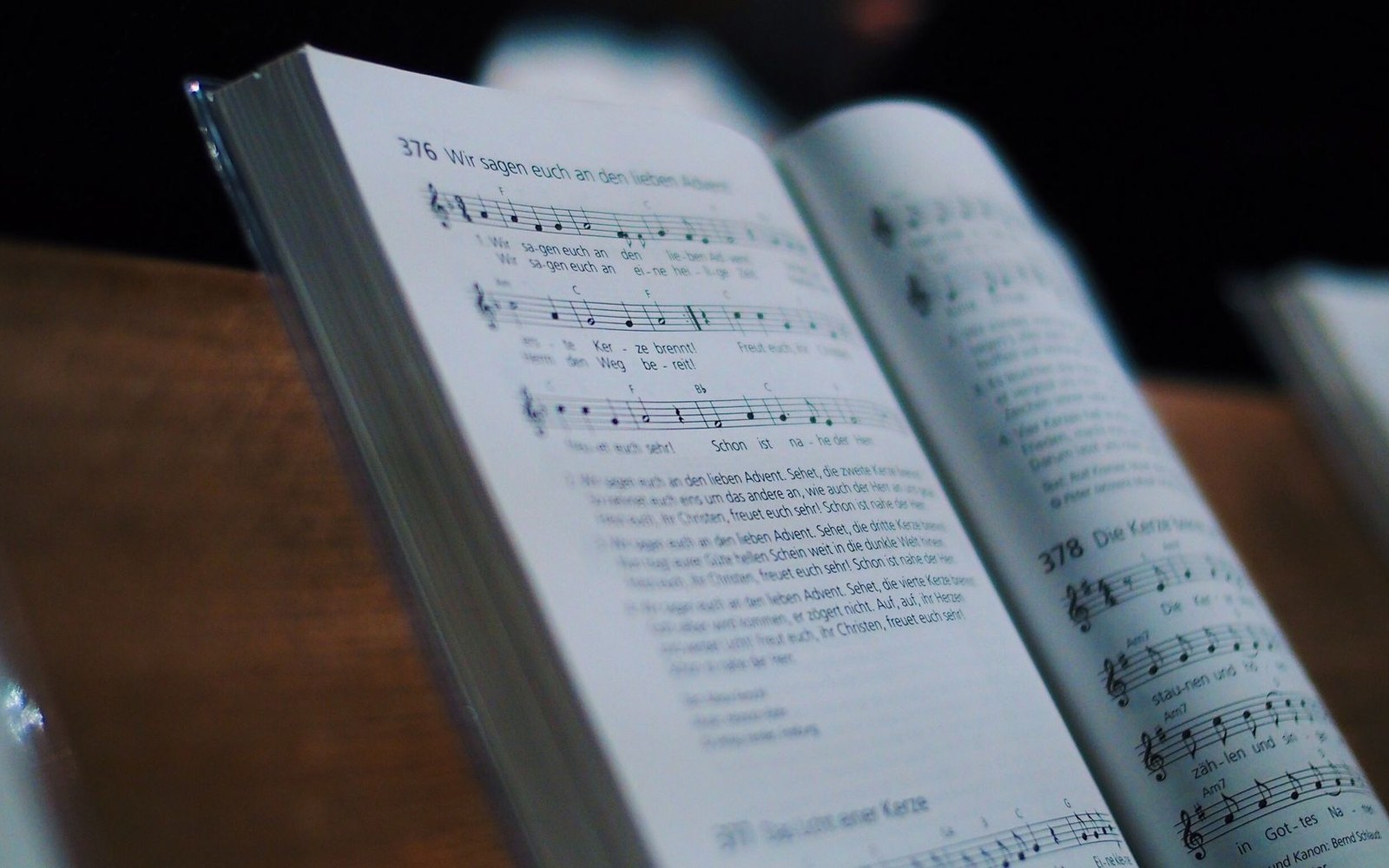
A film can enter the public domain and still carry live copyright inside it. Soundtrack music, a song heard from a radio in the scene, a theme composed specifically for the picture — none of these travel automatically into the commons when the underlying film does. The two copyrights are separate, governed by separate registration histories, and the lapse of one does not touch the other.
No case illustrates the point more cleanly than It's a Wonderful Life.
 05.04
05.04Frank Capra's 1946 feature became, for nearly two decades, the defining example of public-domain television. Republic Pictures, which held distribution rights, failed to renew the film's copyright registration in the 28th year as pre-1964 law required, and the picture fell into the public domain. Broadcasters filled holiday schedules with it at no cost, and it ran so relentlessly through the 1970s and 1980s that the film became synonymous with the very idea of a free-to-air classic.
Then, in 1993, Republic asserted control. The studio's argument did not rest on the film itself — that copyright remained lapsed — but on two underlying works the film had incorporated: a short story called "The Greatest Gift," written by Philip Van Doren Stern, and the original musical score composed by Dimitri Tiomkin. Republic held rights to both, and under Stewart v. Abend (1990), the Supreme Court had already confirmed that a copyright in an underlying work is enforceable against reproductions of a derivative work even when the derivative work's own copyright has expired. Broadcasting the film meant reproducing the score and, arguably, the story — neither of which was free.
The practical effect was swift. Networks that had broadcast the film freely began licensing it, and Republic's successor eventually consolidated a workable claim. The film did not return to copyright, but exploiting it without attention to the musical copyright became legally uncomfortable.
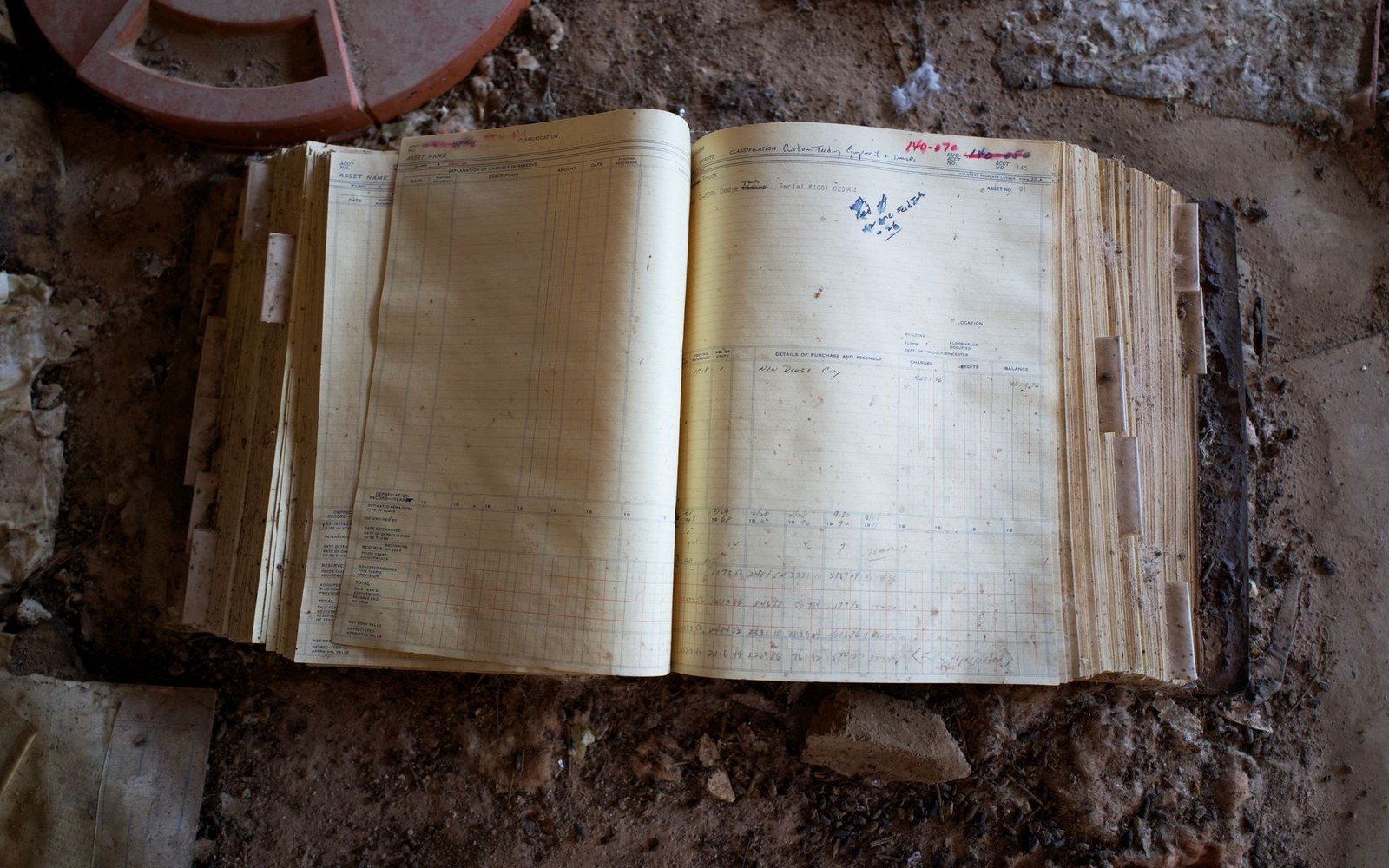
For researchers and archivists, the lesson is structural. Whenever a film's copyright lapsed through failure to renew, the checklist does not end there. Every element with a separate authorship history — the score, the songs, the screenplay if it was previously published, the source novel or story — requires its own search in the Catalog of Copyright Entries. A renewal entry for the underlying work keeps it protected on a clock of its own.
Music is the most common complication. A song performed in a film may have been registered independently and renewed correctly even when the film itself was not. The performance captured on the soundtrack is a separate embodiment of the musical composition, and a broadcaster or distributor reproducing the film reproduces the song. The same logic applies to a commissioned score: the composer's rights run on their own term, and a studio's failure to renew the film's registration does not constitute the composer's failure to renew.
The practical consequence for documentary makers and educators is that a public-domain label on a film title is a starting point, not a conclusion. Clearing the music — or identifying that the music has also lapsed, or falls within a statutory exception — is a distinct step. The Copyright Office's online registration records allow a search by title and claimant, and the printed Catalog of Copyright Entries, now digitized and available through HathiTrust and Stanford University Libraries, is the authoritative register for works registered before 1978.
It's a Wonderful Life is now widely broadcast under licensing arrangements that address the underlying rights, not because the film's own copyright revived, but because the music and story never lapsed with it. The film stayed free. The score stayed spoken for. Both facts remain true simultaneously, and understanding that they can coexist is essential to reading any public-domain title's legal status with accuracy.